01
Begin with a clear purpose
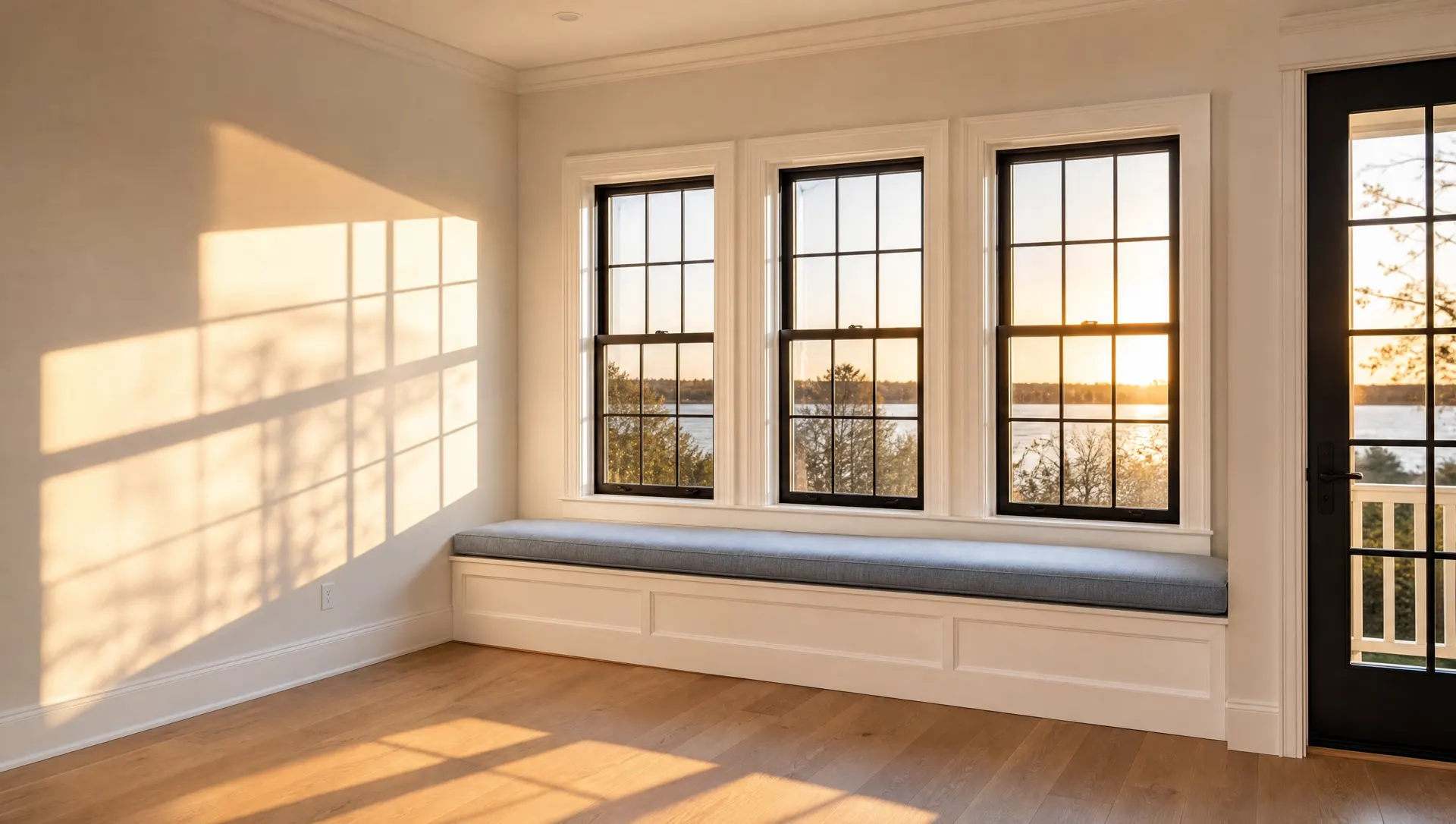
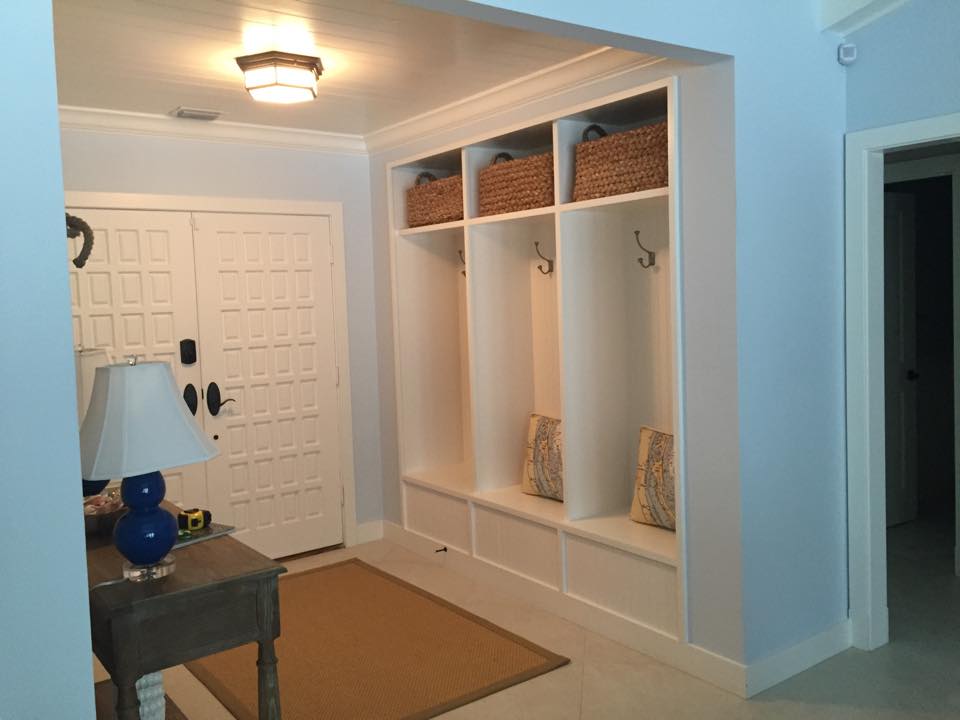
The best custom furniture has a reason to exist. It may need to fit a difficult wall, provide storage with a particular mix of drawers and shelves, or create a focal point that matches the home's architecture. That purpose guides the size, material and details.
We discuss how the piece will be used, what it needs to hold and how it should relate to the rest of the room. Measurements and inspiration are useful starting points, followed by an assessment of the actual space.
- Fitted benches and storage pieces
- Display furniture and shelving
- One-of-a-kind wood features
- Furniture designed for a specific room or opening
02
Details should support the design
Edge profiles, panel styles, hardware and finish can give a piece a traditional or contemporary character. Those details work best when they reinforce the proportions rather than compete with them.
Durability and everyday care also matter. Material and finish choices should account for where the piece will live and how it will be used, especially in entries, kitchens and family rooms.
03
A measured design and build process
After the consultation, the project moves through planning and material selection before craftsmanship begins. The expected schedule depends on the size and detail of the piece and is discussed as part of the project outline.
Installation or delivery requirements are considered early so the finished work can be placed safely and fit the room as intended.